

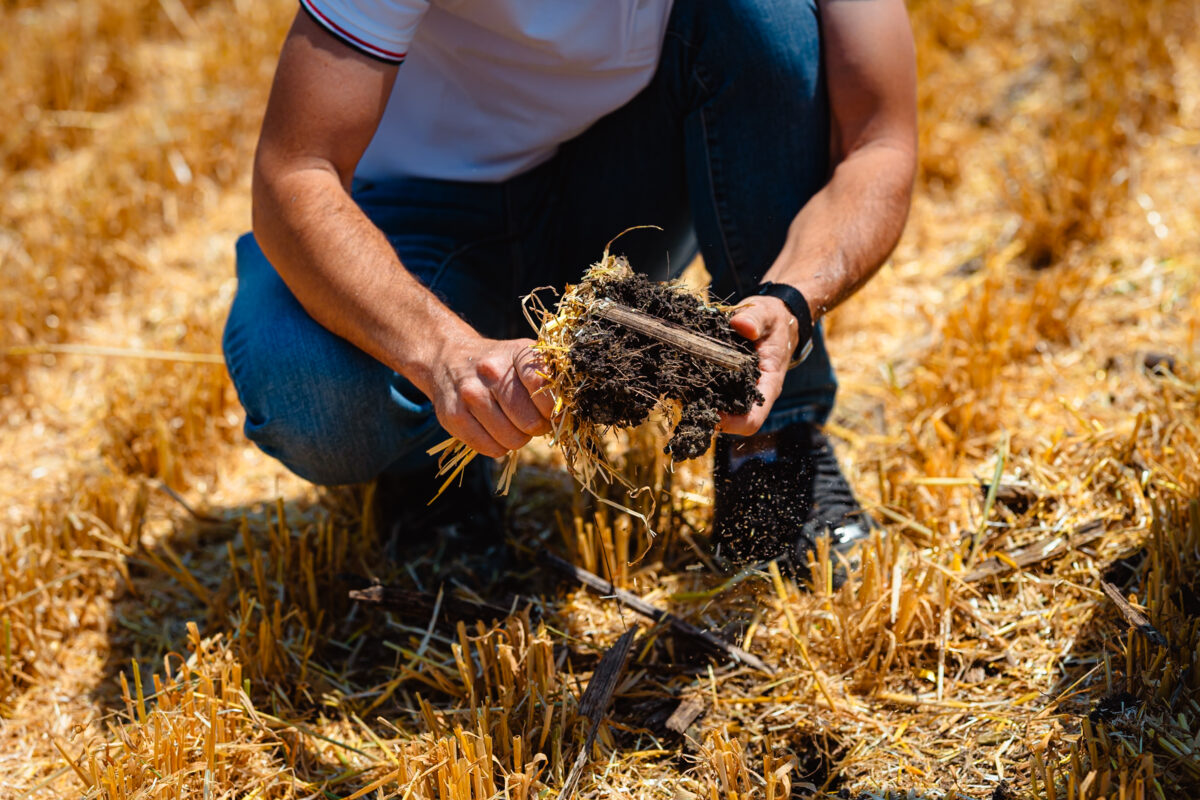
New global business research highlights growing investment in regenerative agriculture as companies seek stronger, more resilient food systems
November 2026: Regenerative agriculture is rapidly moving from a sustainability initiative to a business imperative as food producers confront increasing climate risks, resource pressures and supply chain disruptions.
According to the Business Breakthrough Barometer 2026, businesses around the world are increasingly investing in regenerative agriculture to strengthen food security, improve climate resilience, protect yields and support long-term farm profitability. The report identifies regenerative agriculture as one of the most promising solutions for building resilient food systems while reducing environmental impact.
As rising temperatures, water scarcity and extreme weather events place mounting pressure on agricultural production, companies are looking beyond traditional sustainability programmes and focusing on solutions that deliver measurable business outcomes. Regenerative agriculture is proving to be one of them.
Why Regenerative Agriculture Matters Now
The report highlights growing evidence that regenerative farming practices can help maintain stable yields, improve productivity, strengthen soil health and increase resilience to climate-related disruptions. These benefits are helping businesses secure agricultural supply chains while creating value for farmers and rural communities.
The business case is becoming increasingly compelling. Investment commitments in regenerative landscapes have grown from US$2.2 billion in 2023 to US$9 billion in 2025, reflecting growing confidence in the sector’s long-term economic and environmental potential.
Businesses also recognise that the future of food production depends on agriculture remaining economically viable for farmers. Improving soil health, reducing dependency on costly inputs and increasing resilience to climate stress can help make farming more profitable and attractive to future generations.
Scaling Adoption Requires Collaboration
While momentum is growing, the report identifies financing as a major barrier to wider adoption. Transitioning global food production systems to regenerative approaches will require significantly greater public and private investment, alongside practical support for farmers during the transition.
The report also emphasises that successful programmes are farmer-centric, rooted in local agronomic expertise and supported by strong partnerships across the agricultural value chain. Long-term collaboration between farmers, food producers, financial institutions, governments and researchers will be essential to scaling impact.
A Pathway to Resilient Food Systems
The report identifies Brazil, India and the United States as leading markets for regenerative agriculture, demonstrating how supportive policies, farmer engagement and private-sector investment can accelerate adoption at scale.
For organisations across the food and agriculture sector, the message is clear: regenerative agriculture is no longer solely an environmental goal. It is increasingly recognised as a practical strategy for strengthening food security, improving farm resilience and ensuring sustainable agricultural production for future generations.
About the Business Breakthrough Barometer
The Business Breakthrough Barometer 2026 is an annual report developed by the World Business Council for Sustainable Development (WBCSD) in partnership with the Breakthrough Agenda and the Marrakech Partnership for Global Climate Action. The report provides a business-led assessment of how investment, strategy and innovation are shaping the global transition to a more sustainable and resilient economy. The 2026 edition draws on insights from more than 500 business leaders across over 50 countries.
Al Dahra contributed insights to the Business Breakthrough Barometer 2026, helping inform discussions on regenerative agriculture, food systems resilience and the future of sustainable farming.